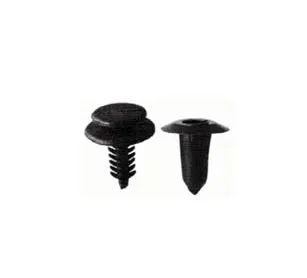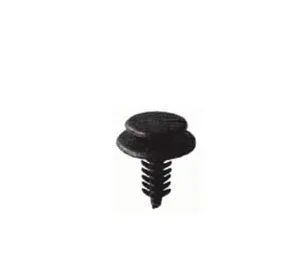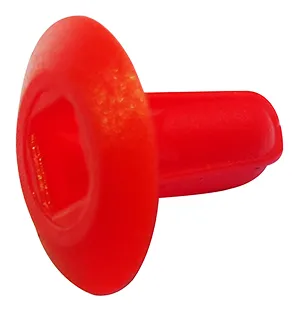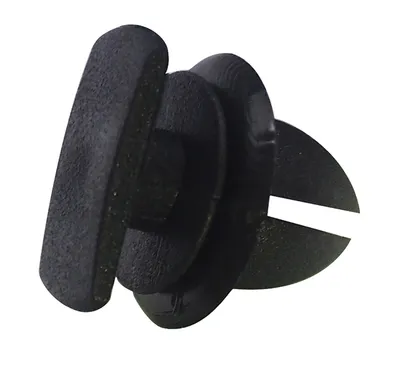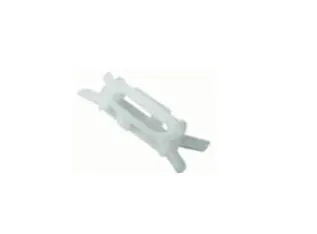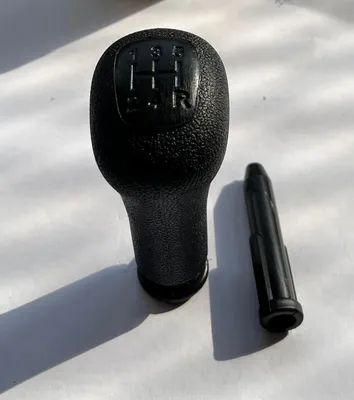
Most cabin rattles are not a mechanical fault. One of the plastic clips holding a panel to the body has broken or come out of its seat, and once the panel can move a few millimetres it produces a dull knock over rough roads. Where the noise comes from, and when, tells you most of what you need to know about which clip you are looking for.
Diagnosis by Location
A sharp rattle from one point: the clip in that area has come out of its seat. If pressing the panel by hand silences it, the diagnosis is confirmed.
A dull thud as the door closes: the lower row of door trim clips has fatigued. That row takes the most vibration and is usually where it starts.
A widespread squeak from across the dashboard: not one clip but the whole row has loosened. This usually follows a dashboard that was removed once and refitted without renewing the clips.
A noise heard only when cold that stops once warm: plastic contracts in the cold and a fatigued clip loses its grip. The clip is near the end of its life.
A noise that gets worse after rain: this may not be a clip at all but a seal or a body plug, letting moisture behind the panel.
Male and Female Clips
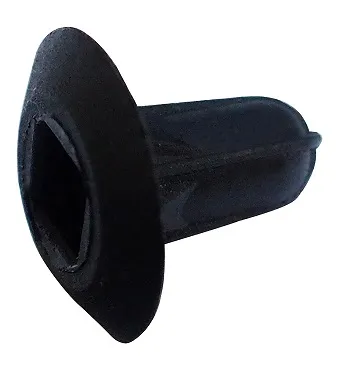
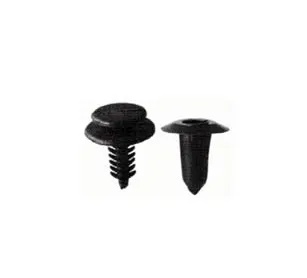
Some trim clips are two-piece: a female body that seats in the panel and a male pin that locks it. In our catalogue those halves are listed under separate stock codes and also as a set. Ordering only one half is the most common mistake — both usually take damage during removal, so the set is the safer buy.
Clip Colour and Generation
In interior trim the same size of clip is produced in several colours, and some models split into earlier and later versions. Where the clip stays visible, a colour mismatch leaves the job half done, so state the colour when you order.
Removing Without Breaking
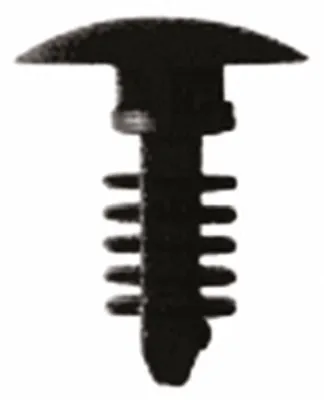
Use a trim tool that lifts the clip by its body rather than by the panel, and apply the force directly over the clip. Even so, some barbed clips lose a barb on the way out; renewing clips whenever a panel comes off is what stops the same noise returning a few weeks later.