Water in the cabin and wind noise at speed usually share a source: somewhere along the sealing line there is a gap. But the source is rarely the seal itself — more often a clip that held it has failed, or a body plug has worked out of its hole.
Narrowing Down the Source
The sill is wet but the carpet is dry: the door seal has lost its contact face. Look at the compression mark on the seal when the door shuts — if the mark is broken, the seal is not seating in that area.
The carpet is damp underfoot but the headlining is dry: the water may not be coming from the door at all but from a body plug. Lift the carpet and check the plugs in the floor pan; they close holes left by the production process and harden and shrink over the years.
Water collects in the boot after rain: suspect the plugs in the boot floor or the tail light gasket.
A whistle heard only at speed: there may be no water leak. The seal is seating but has lost its tension at one point, and the airflow whistles as it passes that narrowing.
The seal lifts out as the door closes: the retainers or clips holding it have failed. A seal will not stay in place on its own.
Seal Clips and Retainers
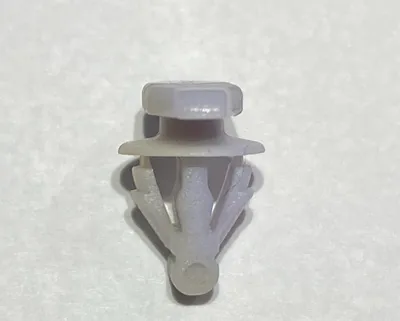
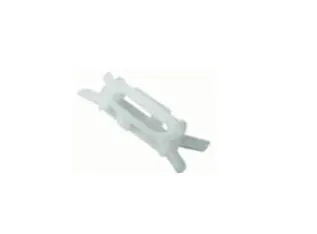
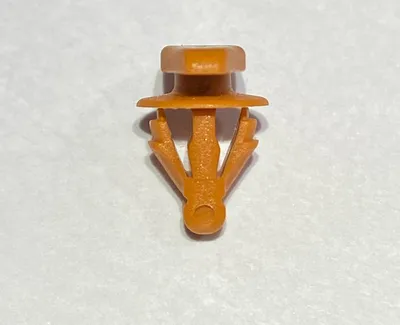
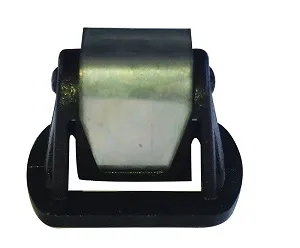
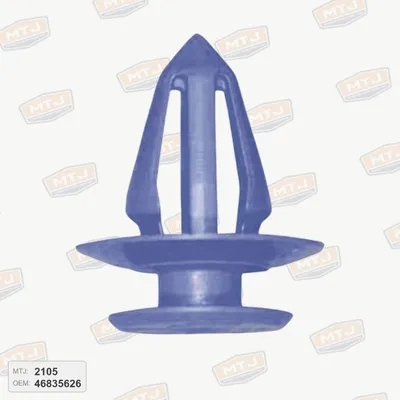
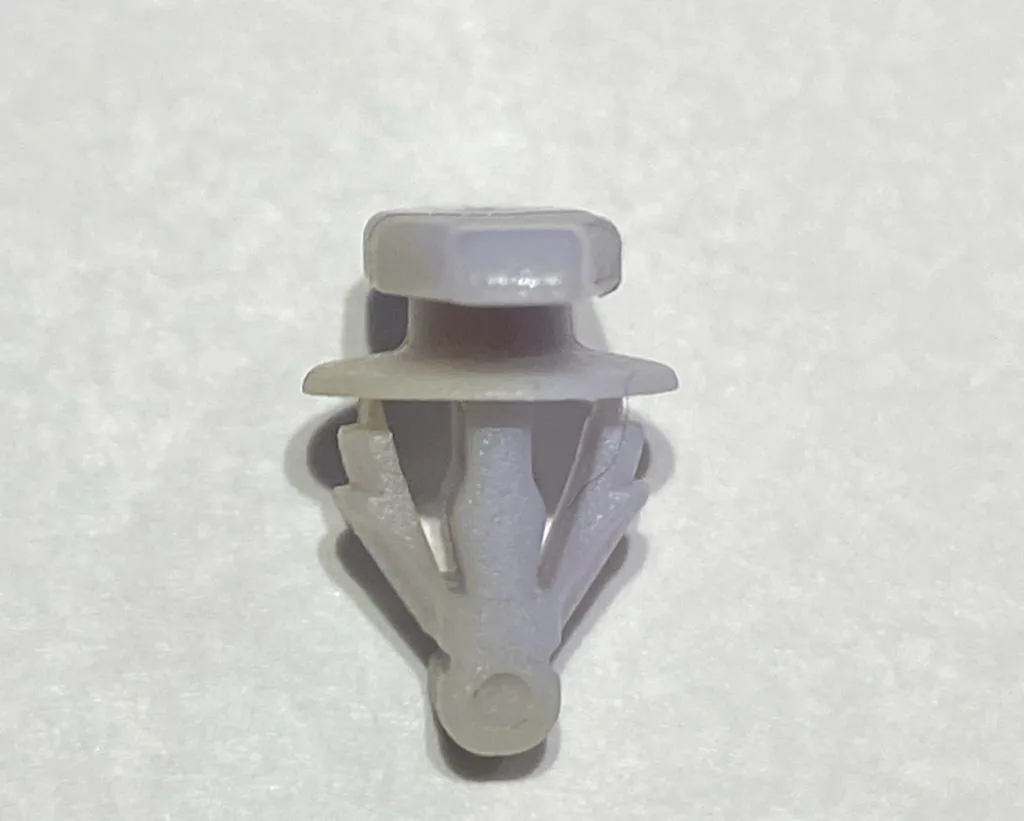
A door seal grips the body with its own channel, but at the corners and pillar transitions it is also secured with clips or retainers. When those small parts fail, the seal first lifts at the corner and then loosens along the whole run. Gluing a seal is a stopgap; the correct fix is to renew the broken clip.
Body Plugs
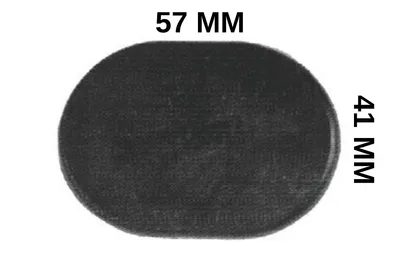
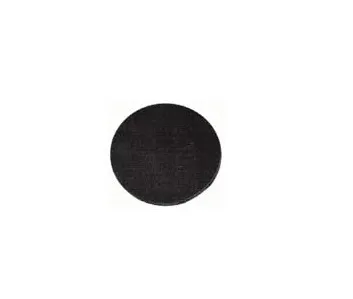
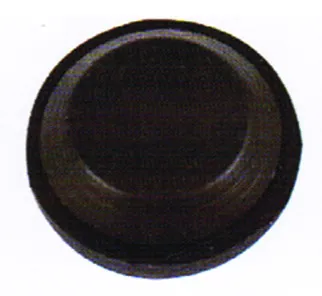
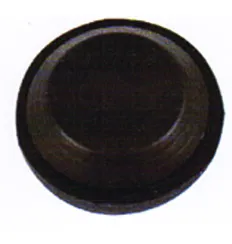
The rubber plugs in the floor pan harden over the years and lose diameter. Our catalogue carries them in separate sizes — oval, large, medium, small and mini — and measuring the hole is the only reliable way to pick the right one.
For a Lasting Fix
Once the source is found, the seal, the clips and the plugs should be assessed together. Replacing only the seal and leaving the old clips means the same leak returns a season later.